

The Difference Between Fear and Inner Knowing
Fear and inner knowing often arrive with similar urgency, but they live in completely different places in the body. If you are on a Path to better yourself, this article invites you to move discernment out of the mind and into direct sensation.
What Are We Really Afraid Of?
What is the scariest thing you can think of?
From my experience, most people are more fearful of truly looking at themselves, of accepting their own light and power, than of the events they claim to fear. Public speaking consistently ranks as more frightening than death, which reveals something deeper: it is exposure, not danger, that terrifies us.
Fear here is not about survival in the literal sense. It is about being seen.

How Fear Is Conditioned
Fear is not something we suddenly develop as adults. It is woven into us early.
From birth, survival depends on being acceptable. Children quickly learn to be likeable, pleasing, and compliant. In that process, something subtle but profound happens: the authentic self is deemed unsafe. Expression is shaped, filtered, and often suppressed - not because it is wrong, but because belonging feels essential.
As we grow, this pattern continues. Individual expression is dulled. Standing out is discouraged. Challenging inherited beliefs is quietly punished.
Our inner authority is gradually diminished as we are told what to do, what to believe, and what to think. Even when we believe we have stepped outside the system, there are deeper entanglements - pain, trauma, and identity - that continue to dictate our choices.
Is it any wonder we fear what is unseen within ourselves?
Avoidance as a Symptom of Fear
I see this fear expressed not always as panic, but as avoidance.
People become busy the moment self-inquiry appears. Addictions, procrastination, constant distraction, these are not moral failings, but signals. There is a deep unhappiness paired with an equally deep refusal to look.
It is a paradox: sensing something essential is missing, while doing almost anything to avoid touching it.
Fear, at its root, is a natural response meant to protect and keep us safe. The difficulty is not that fear exists, but that it continues to run old programs long after the original moment has passed. What once served survival can quietly become a barrier to growth.
The negative ego replays the same scenario again and again, regardless of context. Imagine, for example, a child who feels compassion for a sibling sitting alone in timeout. The child goes to sit beside them, only to be reprimanded. The message is clear: this part of you is not welcome. In order to maintain approval and belonging, the compassionate impulse is suppressed.
Later in life, when moments arise that invite tenderness or truth, fear no longer appears as overt anxiety. Instead, it redirects attention. There is suddenly something more ‘important’ to do. A task. A distraction. A reason not to stay.
Over time, this avoidance dims the light within. Joy becomes restricted. Flow tightens. What was once hidden for protection becomes trapped, heavy, and stagnant. The very mechanism that kept you safe now limits your ability to fully express who you are.
What Fear Actually Feels Like
Fear is commonly defended as useful, and in moments of real danger, it is.
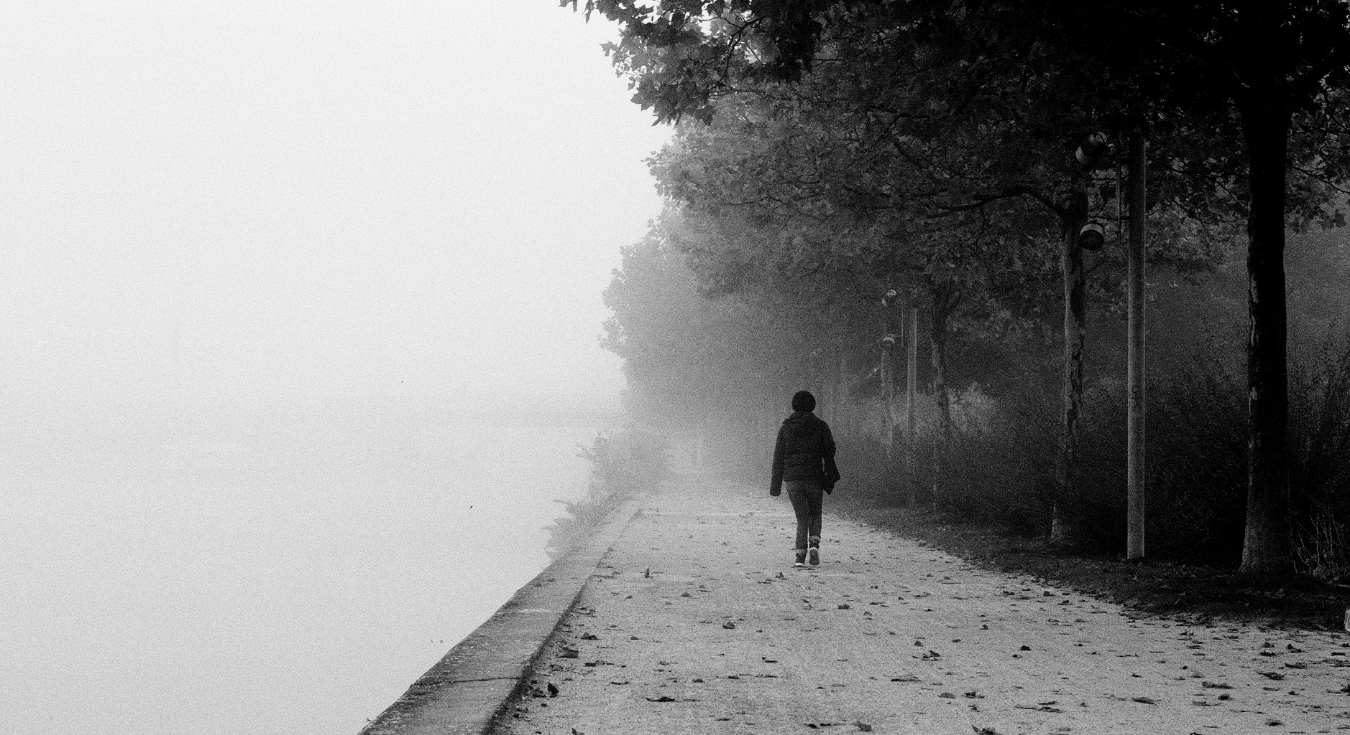
But most fear today is not about immediate threat. It is reactive, looping, and future-oriented. It demands reassurance. It argues for itself. It tightens the body.
From a Mystery School perspective, fear arises through distortion rather than truth. As eternal beings, light constantly streams toward us, carrying information about who we are and why we are here. This light is filtered through our beliefs, conditioning, and ego structures. What we are able to perceive depends entirely on how open that inner channel is.
Before a thought forms, information is felt. It arrives as sensation, emotion, or desire in the body—and only then becomes a story in the mind. When the body is conditioned to associate expansion with danger, that first felt sense immediately triggers contraction.
This is why offers that lead toward freedom, toward Know Thyself, often activate fear first. Not because they are wrong, but because they challenge familiar limits.
Those with a closed or rigid perceptual field may not even register the invitation. It is dismissed before it is felt. Others sense the tug - fear, hesitation, curiosity - and pause. Discernment begins here.
The question is no longer What am I thinking? but What am I feeling, and what is real? What are the actual risks, not the imagined ones? Will this bring me closer to truth?
Healing work, activations, and initiations support this process by expanding perception and calming the body’s reactive responses. As the body heals, sensation no longer immediately collapses into fear, and inner knowing becomes easier to recognise.
Where does fear land in your body?
Chest
Stomach
Throat

At this stage, it is wise to pause and turn your gaze inward. It is easy to judge others without applying the same honesty to yourself. This is a tender moment of realisation, where you recognise that you, too, played a part in the dysfunction — not through fault or failure, but through unconsciousness.
This reckoning is not about superiority or separation. It is not that you are “above” others — rather, you are between versions of yourself.
Inner Knowing: A Different Quality Entirely
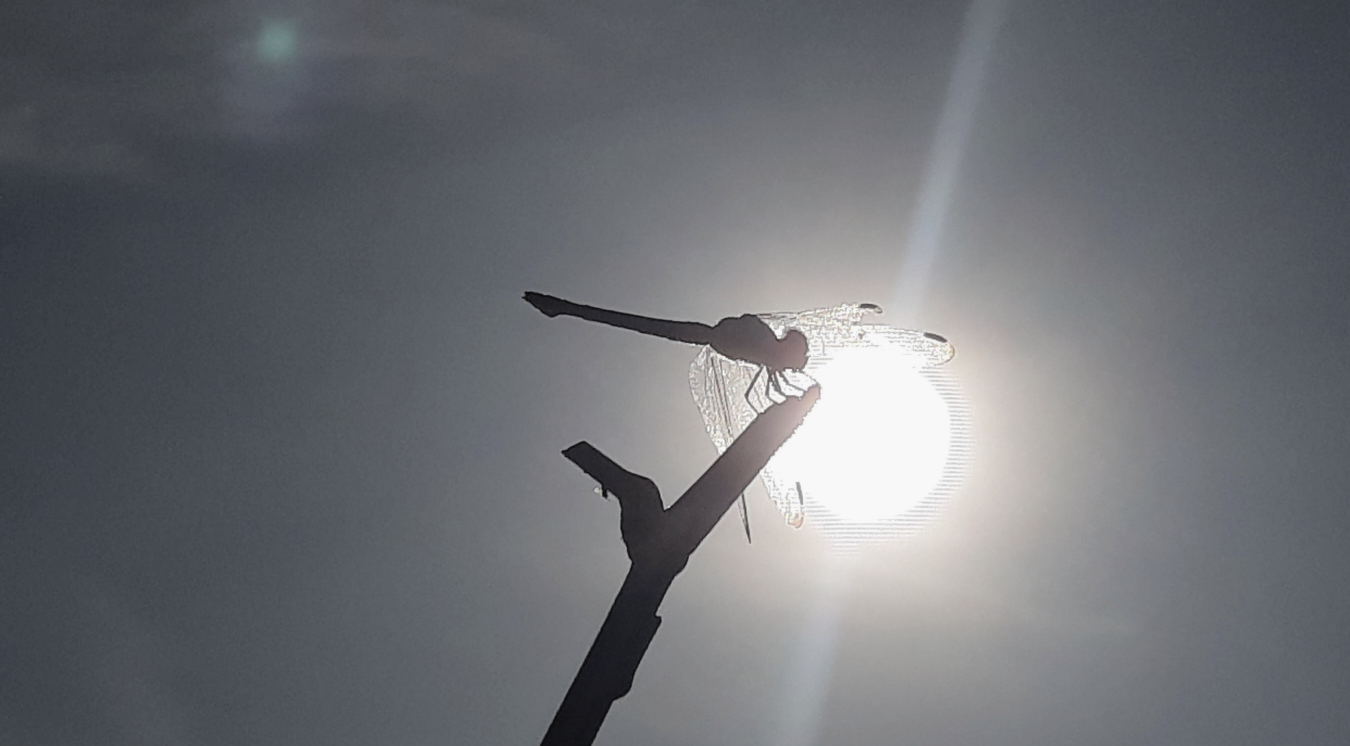
Inner knowing does not compete with fear. It does not shout. It does not require validation.
It is neutral, steady, and present-focused. Even when the decision it points toward is challenging, the body settles rather than tightens.
Inner knowing often arises from deeper locations:
Lower belly
Heart
Spine
It is quiet, persistent, and unmistakable once you learn its language.
Inner knowing doesn’t argue for itself. It doesn’t shout. It simply remains.
Growth Requires Moving Through Fear
Growth always requires moving through fear — not sometimes, but always. This is the distinction.
Fear does not disappear before expansion. It softens after truth is chosen.
The work is not to eliminate fear, nor to obey it, but to ensure it is not in the driver’s seat. Fear is allowed to be present, felt, and acknowledged for what it is: a protective response based on past conditions. Inner knowing, however, determines direction.
This is where mastery begins. In choosing from knowing while fear is still present, old assumptions about what is safe, acceptable, or possible begin to dissolve. What once felt threatening becomes unfamiliar rather than dangerous.
Within the Modern Mystery School, this is the training of sovereignty — learning to move forward with clarity and presence, outgrowing fear through direct experience so that life can be lived fully awake and alive.
Energetic Distinction
Fear and inner knowing may feel equally urgent, but they are not the same signal.
Fear is reactive, future-focused, and contraction-based
Inner knowing is present, grounded, and stabilising
Fear seeks reassurance
Knowing requires none
Discernment is felt, not thought.

Fear is not the enemy of growth. If anything, it is often the trigger for inner enquiry.
When fear arises, the question is not how to get rid of it, but how to listen more deeply. Will this lead me toward truth, or away from it? Will this help me better understand my true nature, or will it hinder it?
Inner knowing does not promise comfort. It offers alignment. And alignment frequently asks us to move through sensations once interpreted as danger, but which are now signals of expansion.
When discernment is rooted in the body, fear loses its authority. It is felt, acknowledged, and allowed to pass, while something deeper remains steady and clear. This is the return of inner sovereignty — the quiet mastery of choosing truth over conditioning.
To live fully alive is not to be fearless, but to be self-led. And that leadership begins the moment you trust what settles you, even as fear flickers at the edges.
No pressure. Just space to listen more closely.